September 17, 2026
Excavation is often the first step in preparing a property for major outdoor improvements. The process can involve removing soil, clearing obstacles, adjusting elevations, improving drainage, and creating stable areas for patios, retaining walls, driveways, walkways, or other features. Proper excavation helps ensure the site is prepared for the work that follows.
A landscape contractor can evaluate the property, determine what preparation is necessary, and complete the earthwork according to the project's requirements. Excavation may involve clearing vegetation, removing soil, adjusting grades, preparing stable bases, and shaping the property so water flows appropriately.
Understanding what to expect before excavation begins can make the process easier to manage. From the initial site assessment through grading and cleanup, knowing how the work typically progresses can help you prepare your property and establish realistic expectations.
Planning and Assessing the Excavation Site
Evaluating Your Property and Project Scope
The first step is determining what the excavation needs to accomplish. A landscape contractor will consider the size and shape of the area, existing grades, soil conditions, drainage patterns, vegetation, structures, and the type of landscaping planned. These factors help determine how much material must be removed or relocated and what preparation the site requires.
Excavation needs can vary significantly depending on the project. A garden bed may require relatively shallow soil removal, while preparing for a retaining wall, patio, driveway, or walkway may require more extensive grading and base preparation. Yard reshaping may also involve moving soil from higher areas to lower areas to create a more functional grade.
Discussing Access and Property Conditions
Equipment access is another consideration before work begins. The contractor needs to determine how machinery and trucks can reach the work area without unnecessarily damaging lawns, gardens, fences, structures, or other existing features. Confined backyards may require more careful planning than open areas.
Existing irrigation, drainage features, landscaping, and outdoor structures should also be discussed before excavation starts. Some features may need protection or relocation, while others may need to be incorporated into the project. Clear communication gives the crew a better understanding of what should remain undisturbed.
Establishing a Work Plan
A clear work plan connects excavation to the larger landscaping project. If the finished space will include a patio, walkway, driveway, retaining wall, or garden bed, the excavation should account for the dimensions and elevation requirements of that feature.
The plan should also address what happens to excavated soil. Usable material may be redistributed elsewhere on the property, while excess material may need to be removed. Topsoil can sometimes be separated for later placement in planting areas or graded sections.
According to HomeGuide, small excavation projects generally take one to three days to complete. Larger or more complicated jobs may require additional time depending on the amount of excavation, site conditions, access, and preparation involved.
Managing Excavation and Site Preparation
Clearing and Removing Unwanted Material
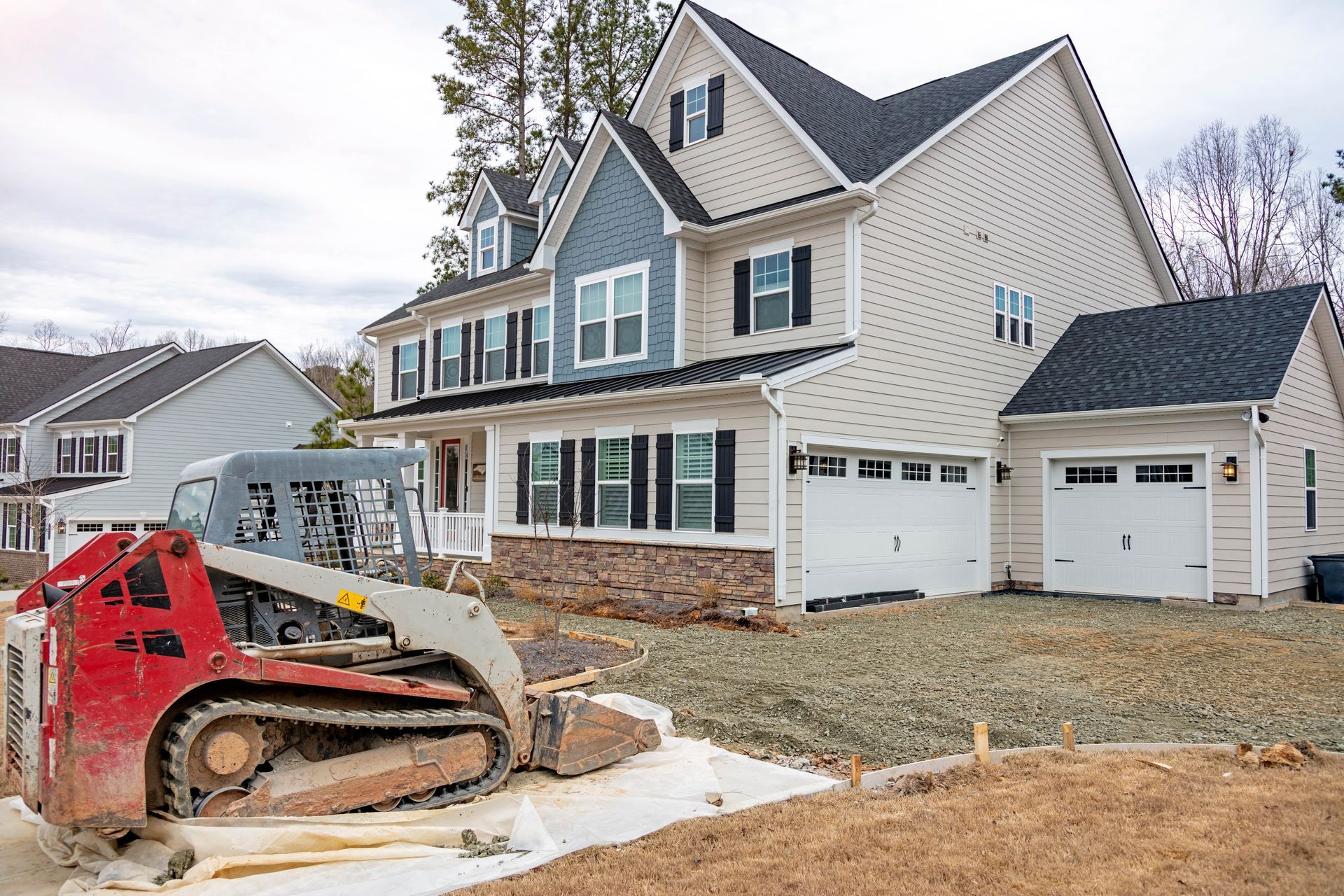
Once planning is complete, excavation can begin. Depending on the property, the first phase may involve removing vegetation, debris, existing landscaping materials, or other obstacles from the work area. Clearing these materials can improve equipment access and create a suitable surface for grading.
Soil removal then proceeds according to the project's planned elevations and dimensions. A landscape contractor may need to excavate relatively shallow areas for certain garden improvements or dig deeper when preparing for retaining walls, foundations, driveways, or other structures.
Managing excavated material is also part of keeping the project organized. Soil may be relocated, backfilled, or removed from the property depending on its condition and the project's requirements. Coordinating these tasks can reduce the need for homeowners to arrange separate services.
Grading for Drainage and Stability
Grading is an important part of landscape excavation because the finished slope affects how water moves across the property. Low areas can collect water, while poorly graded surfaces may direct runoff toward structures or other areas where it can cause problems.
A landscape contractor can reshape portions of the yard to improve runoff and eliminate problematic low spots. Grading may also be incorporated into preparation for patios, walkways, driveways, retaining walls, and other hardscaping features.
Drainage work may be completed during excavation when surface grading alone is not sufficient. Preparing appropriate slopes or areas for drainage features can help manage water and protect future landscaping improvements.
Preparing a Stable Base
Many outdoor improvements require a properly prepared base. Patios, walkways, driveways, and retaining walls can be affected by unstable or poorly compacted ground. Excavation creates the space needed for appropriate base materials and allows the area to be graded before installation.
Preparation may involve removing unsuitable material, establishing the correct depth, grading the excavation, and compacting materials as needed. The exact process depends on the feature being installed and the conditions found at the property.
Backfilling may also be necessary after excavation. Properly placed and compacted backfill can help stabilize areas around foundations, retaining structures, utility lines, or other landscape features while reducing the potential for unwanted settling.
Completing the Project and Preparing for Landscaping
Reviewing the Finished Grade
After the primary excavation and grading are finished, the prepared site should be reviewed against the project's goals. The landscape contractor can evaluate elevations, slopes, and the overall shape of the area to ensure it is ready for the next stage.
The finished grade should support the intended use while allowing for appropriate drainage. Areas designated for patios, walkways, and driveways should have the necessary preparation for their planned surfaces, while planting areas may require additional topsoil.
Reviewing the site before the crew leaves can also identify areas requiring adjustment. Correcting grading issues at this stage is generally more practical than discovering problems after landscaping or hardscaping has been installed.
Restoring and Cleaning the Work Area
Excavation naturally changes the appearance of a property throughout the project. Soil can be displaced, vegetation may be removed, and equipment can temporarily disturb surrounding areas. Cleanup and restoration help prepare the property for the next phase.
Depending on the project, cleanup may include removing excess material, redistributing soil, backfilling selected areas, and preparing planting areas. Topsoil may also be placed where needed for future lawn or landscape restoration.
Homeowners should discuss cleanup expectations before work begins. Understanding which restoration tasks are included helps prevent confusion about the condition of the property when excavation is complete.
Preparing for the Next Landscaping Phase
Once excavation is finished, the site can move into the next stage of the outdoor project. This may involve installing a patio, driveway, walkway, retaining wall, garden bed, drainage feature, lawn, or other landscape element.
A properly prepared site provides a better foundation for these improvements. When grading, drainage, soil placement, and base preparation have already been addressed, subsequent installation work can proceed on a more suitable surface.
Working with a landscape contractor who offers related excavation and site preparation services can also simplify larger projects. Coordinating clearing, grading, excavation, backfilling, and cleanup through one company can reduce the need to manage multiple contractors.
Professional excavation provides an important starting point for improving an outdoor space. Although much of the work will eventually be covered by soil, plants, pavement, or other materials, the quality of the underlying preparation can affect how the finished landscape performs.
When choosing a landscape contractor, consider experience with your type of project, the scope of services offered, scheduling, and how the company handles grading, drainage, soil, backfilling, and cleanup. Clear communication about the work and expected timeline can help keep the project organized from beginning to end.
Whether you are preparing a small garden area or reshaping a larger portion of your property, professional excavation can create better conditions for the landscaping that follows. Contact Babcock Development to discuss your outdoor project and determine the excavation and site preparation services needed to move your plans forward.