November 19, 2026
Breaking ground on vacant property requires immense planning and precise execution to ensure absolute stability. Every successful building project begins with thorough terrain assessment before any machinery arrives. Engaging a reliable local landscaping service ensures professionals evaluate the topographical challenges of the property.
Experts look at elevation changes and natural obstacles that might complicate the digging process later. They note the presence of large root systems or existing underground structures requiring careful attention. Detailed evaluations prevent unexpected delays when heavy earthmoving equipment begins reshaping the chosen plot.
Clearing the Terrain for New Construction Excavation
Transforming wild acreage into workable canvas represents the initial physical step of site preparation. Crews must eliminate brush, stumps, and overgrown vegetation to expose the raw dirt underneath. This intense clearing phase protects heavy machinery from sustaining damage caused by hidden environmental hazards.
Proper removal techniques preserve the integrity of the surrounding ecosystem while clearing the necessary footprint. Technicians transport organic waste away from the active building zone to maintain an organized workspace. Establishing a pristine work area allows the subsequent digging phases to proceed without unnecessary interruptions.
Testing the Soil for New Construction Excavation
Understanding earth composition plays a vital role in determining how a foundation will settle over time. Geotechnical evaluations reveal whether the dirt contains excessive clay, loose sand, or dense bedrock beneath the surface. Hiring a knowledgeable local landscaping service guarantees that these crucial substrate conditions receive proper professional scrutiny.
Different dirt types demand distinct approaches to digging and retaining wall installation. Highly reactive clay might require specific stabilization techniques to prevent future structural shifting after building completion. Accurate ground testing informs every subsequent decision regarding compaction requirements and foundational depth.
Grading the Landscape for New Construction Excavation
Creating a leveled base remains essential for the long-term structural integrity of any building. Earthmoving teams redistribute dirt across the property to achieve the exact specified elevations. This meticulous contouring process eliminates severe slopes that could threaten the future stability of the architecture.
Strategic terrain leveling also sets the stage for beautiful aesthetic improvements following the building phase. Operators use advanced machinery to sculpt the ground into a smooth, even surface ready for foundation pouring. Proper earth distribution prevents unwanted settling and provides a solid platform for the entire structural frame.
Trenching the Utilities for New Construction Excavation
Modern buildings require complex underground networks of pipes and cables to function properly upon completion. Skilled operators dig precise channels throughout the property to accommodate plumbing, electricity, and communication lines. A highly experienced local landscaping service understands how to route these trenches without compromising structural supports.
Utility channels must maintain specific depths to avoid freezing temperatures and accidental surface damage. Crews coordinate their digging paths to prevent overlapping lines from interfering with each other underground. Carefully planned trenches ensure all essential resources flow into the finished residential or commercial building.
Managing the Drainage for New Construction Excavation
Uncontrolled water flow presents the greatest natural threat to any newly poured concrete foundation. Earthmoving experts must establish intentional slopes that guide rainwater safely away from the primary structure. Creating proactive runoff solutions prevents pooling water from eroding the newly compacted dirt around the building.
Swales and retention areas are often carved into the property edge to manage heavy downpours effectively. Teams might also install underground catch basins to redirect moisture toward municipal storm management systems. Mastering water diversion guarantees the building remains dry and secure during severe weather events.
Digging the Foundation for New Construction Excavation
Carving out the exact footprint of the building requires incredible precision and steady equipment operation. The crew excavates the earth to match the exact dimensions dictated by the architectural blueprints. Bringing in a trusted local landscaping service ensures the hole matches the structural requirements.
Operators must maintain vertical walls within the hole to facilitate proper concrete form placement. They constantly check depth measurements to guarantee the footings will rest below the local frost line. This critical phase transforms abstract blueprints into a tangible reality anchored firmly in the ground.
Securing the Permits for New Construction Excavation
Navigating municipal regulations represents a mandatory bureaucratic hurdle before any heavy digging commences. Contractors must submit detailed site plans to local authorities for comprehensive review and approval. Obtaining the necessary legal clearances prevents costly municipal fines and forced work stoppages during active development.
Environmental protection agencies often require specialized erosion control measures before granting official permission to dig. Teams install silt fences and protective barriers to satisfy these rigorous governmental compliance standards. Proactive regulatory management keeps the entire project moving forward without unnecessary legal complications.
Selecting the Machinery for New Construction Excavation
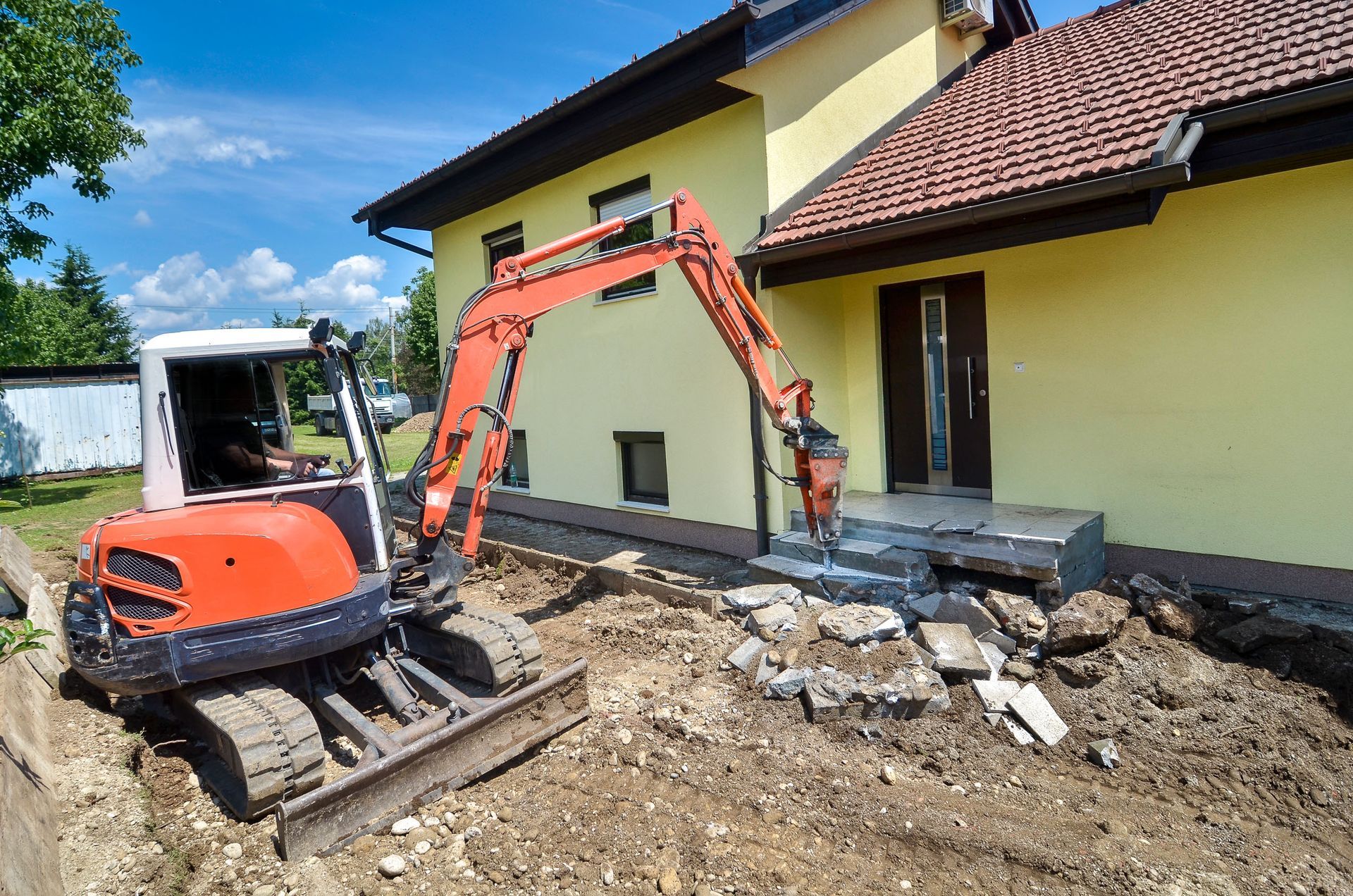
Deploying the correct heavy equipment improves efficiency while minimizing unintentional damage to the surrounding property. Massive excavators tackle the deep foundation work, while compact loaders handle intricate grading tasks in tight spaces. An adaptable local landscaping service curates a customized fleet of machines suited for the unique terrain.
Tracked vehicles navigate muddy conditions with ease, whereas wheeled machines maneuver swiftly across harder surfaces. Skilled operators know which bucket attachments will break through dense clay versus loose gravel. Matching the mechanical tools to the specific earthly challenges ensures rapid progress and pristine results.
Implementing the Safety for New Construction Excavation
Operating massive earthmoving machinery introduces significant physical risks to everyone present on the property. Strict protocols dictate how crews communicate with each other while navigating around active digging zones. Establishing clear visual boundaries prevents unauthorized personnel from wandering into hazardous areas during active operations.
Technicians regularly inspect all mechanical equipment to prevent catastrophic failures while lifting heavy loads of dirt. Trench shoring techniques protect workers from sudden cave-ins when installing deep utility lines underground. Prioritizing human wellbeing ensures the project reaches completion without any tragic accidents or preventable injuries.
Removing the Debris for New Construction Excavation
Digging a large foundation inevitably displaces massive volumes of dirt that require immediate logistical management. Dump trucks constantly rotate through the workspace to haul excess soil away from the active building zone. A capable local landscaping service coordinates this continuous transportation cycle to prevent severe onsite bottlenecks.
Some excavated topsoil remains preserved on the property for future lawn installation and aesthetic planting purposes. Unusable rocky materials and uprooted stumps are transported to designated recycling centers or municipal waste facilities. Keeping the perimeter clear of massive dirt piles allows other construction trades to access the site easily.
Estimating the Timeline for New Construction Excavation
Anticipating the exact duration of earthmoving activities helps property owners coordinate scheduling with framing carpenters. Weather patterns heavily influence the pace of progress, as torrential rain turns work zones into impassable mud. According to HomeGuide, larger excavation projects or sites with rocky soil and boulders can take three weeks or more.
Uncovering hidden subterranean obstacles like buried debris naturally extends the anticipated completion date significantly. Experienced contractors build flexible buffers into their schedules to accommodate these normal industry delays. Transparent communication regarding progress keeps property developers informed throughout the entire digging process.
Finalizing the Groundwork for New Construction Excavation
Approaching the conclusion of the digging phase requires meticulous attention to the smallest topographical details. Crews conduct exhaustive sweeps of the property to verify all elevations match the master architectural plans. Engaging a detail-oriented local landscaping service ensures the final earth surfaces remain ready for concrete pouring.
Final compaction passes guarantee the dirt will adequately support the immense weight of the incoming building materials. Surveyors reconfirm the exact boundary lines to ensure the foundational footprint sits within legal property limits. Passing these stringent final checks gives the building team absolute confidence to begin vertical construction.
Choosing the right excavation partner determines the ultimate success and longevity of any newly built structure. Our team brings unparalleled expertise to site preparation, transforming challenging terrain into optimized building platforms. We treat every property with immense respect, applying rigorous engineering standards to stabilize the ground.
Our extensive fleet of advanced machinery and highly trained operators tackle complex topographical challenges daily. Property owners trust our deeply ingrained commitment to safety, precision, and phenomenal customer communication throughout the project. Reach out to Babcock Development today to discuss how we can expertly prepare your vacant land.